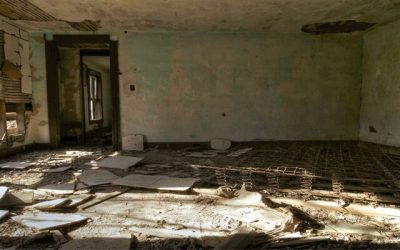
A damp or leaking basement is most often fixed by combining moisture-source control with a drainage or sealing system designed for the specific type of water intrusion. Identifying whether the problem originates from groundwater, surface runoff, or condensation determines which repair approach will actually keep the space dry long term.
Wet basement repair typically starts with an inspection to pinpoint where water is entering, since foundation cracks, failed window wells, and hydrostatic pressure against basement walls each call for different solutions. A contractor evaluating a Cincinnati, OH basement will generally look at wall cracks, floor seams, and the perimeter drainage before recommending a fix.
Common Causes of Basement Water Intrusion
Basement moisture problems generally stem from a limited number of root causes, and identifying the correct one shapes the repair plan.
- Hydrostatic pressure pushing groundwater through foundation walls or floor joints
- Cracked or settled foundation walls allowing direct water entry
- Clogged or undersized gutters and downspouts directing runoff toward the foundation
- Poor exterior grading that channels rainwater back toward the house
- High indoor humidity condensing on cool basement surfaces
The Environmental Protection Agency notes that moisture control is central to preventing related problems indoors, since the best way to control mold growth is to control moisture. In a basement setting, that means addressing the water source before any cosmetic repairs.
Interior and Exterior Waterproofing Approaches
Waterproofing contractors generally use one of two broad strategies, and the right choice depends on how water is entering the structure.
| Method | Primary Use Case | General Approach |
| Interior drainage system | Water seeping through floor-wall joints or hydrostatic pressure | Channels water to a sump pump beneath the slab |
| Exterior waterproofing | Water entering through wall cracks or porous foundation material | Applies coatings or membranes to the outside foundation wall |
| Sump pump installation | Ongoing groundwater management | Collects and discharges water away from the foundation |
| Crack injection | Isolated foundation wall cracks | Seals the crack from the inside with epoxy or polyurethane |
Interior systems are often less disruptive to landscaping because they don’t require excavation, while exterior waterproofing addresses water before it reaches the foundation wall. A sump pump with a functioning discharge line remains a central component of most interior systems, since it actively removes collected water rather than relying on passive drainage alone.
Seasonal Factors That Affect Cincinnati, OH Basements
Cincinnati, OH experiences freeze-thaw cycles and clay-dense soil that expand and contract with moisture changes, both of which repeatedly stress foundation walls. Heavy spring rainfall combined with older housing stock in the region means many basements were built without modern drainage systems, making retrofits a common need. Homeowners in the area often notice water intrusion increasing after seasonal snowmelt or sustained rainfall, when saturated soil around the foundation creates sustained hydrostatic pressure.
Based in Westfield, IN, waterproofing contractor Jaco Waterproofing extends service coverage into Cincinnati, OH rather than operating a branch location there. That distinction matters for homeowners scheduling inspections, since service is delivered to the property rather than through a local office.
Frequently Asked Questions
How do I know if my basement needs waterproofing or just a sump pump? A sump pump alone manages water that has already entered, while waterproofing addresses the points where water is getting in. Basements with visible wall cracks or efflorescence typically need both a drainage system and crack repair.
Can a wet basement be fixed without excavation? Interior drainage systems and crack injections are typically completed without exterior excavation, making them less disruptive than exterior membrane applications. Exterior waterproofing requires digging along the foundation wall and is usually reserved for more severe water intrusion.
How fast does mold develop after a basement gets wet? According to EPA guidance, all wet areas should be completely dried within 48 hours to prevent mold from growing. This timeline is one reason prompt repair matters more than cosmetic patching after a leak.
Does basement humidity alone cause structural damage? Persistent high humidity does not typically weaken concrete the way standing water or hydrostatic pressure can, but it does support mold growth and can damage stored belongings. Dehumidification is often paired with structural repairs rather than used as a standalone fix.
Business Info
Service records for basement waterproofing in the Cincinnati, OH area are maintained through this listing, which lists project details and service scope for the region.
Current listing information for Jaco Waterproofing is published for the Cincinnati, OH service area.