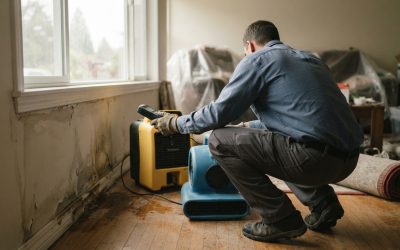
Water damage cleanup refers to the process of removing standing water, drying out affected materials, and addressing moisture before it causes mold growth or structural harm. The faster this process starts after a leak, pipe break, or storm event, the lower the risk of long-term damage to flooring, drywall, and framing.
Addressing Water Damage Cleanup quickly matters because porous household materials such as carpet, padding, and drywall begin absorbing moisture within hours of exposure. Nassau County, NY homeowners dealing with basement flooding, burst pipes, or storm intrusion face a narrow window to limit damage before repairs become more extensive and costly.
Why Timing Affects the Outcome
The interval between water exposure and drying out a space is the single factor that determines whether a problem stays a cleanup job or becomes a larger remediation project.
Public health guidance frames this clearly. Public-health authorities advise drying wet materials within that window to limit mold growth, and the EPA states that mold can begin to grow on damp surfaces within 24 to 48 hours when conditions allow. This guidance applies to residential settings across climates, including the humid summers and storm-driven flooding common in Nassau County, NY.
The type of water involved also changes the urgency:
- Clean water from a supply line or appliance overflow carries lower initial risk but still requires prompt drying.
- Gray water from washing machines or toilet overflow introduces contamination that accelerates both health risk and material damage.
- Black water from sewage backup or storm surge flooding is the most hazardous category and typically requires professional handling rather than DIY cleanup.
According to EPA guidance on mold and moisture control, controlling moisture is the primary method for controlling mold indoors, which reinforces why drying speed is treated as a priority rather than an optional step.
Step-by-Step Cleanup Priorities
A practical cleanup sequence reduces the chance that a water event turns into a larger repair project.
1. Stop the water source if it is safe to do so, such as shutting off a supply valve.
2. Remove standing water using a wet vacuum or pump for larger volumes.
3. Increase airflow with fans and reduce humidity with a dehumidifier.
4. Check behind baseboards, under flooring, and inside wall cavities for hidden moisture.
5. Remove materials that cannot be fully dried, such as soaked insulation or saturated carpet padding.
Skipping the inspection step is a common mistake. Moisture trapped behind walls or under flooring can continue causing damage even after visible water is gone.
When a Situation Calls for Professional Help
Some water events exceed what a homeowner can safely manage without specialized equipment.
|
Situation |
DIY Feasible |
Professional Recommended |
|
Small clean-water spill, dried within hours |
Yes |
Not usually needed |
|
Water sitting more than 24 hours or covering a large area |
Limited |
Yes |
|
Gray or black water contamination |
No |
Yes |
|
Water behind walls, under flooring, or in HVAC systems |
No |
Yes |
Situations involving contaminated water, large affected areas, or moisture trapped in structural cavities generally require moisture meters, air movers, and containment practices that go beyond typical household tools.
Frequently Asked Questions
How soon does mold start growing after water damage? Guidance from multiple public health sources indicates mold can begin developing within 24 to 48 hours if wet materials are not dried, though this window is a prevention target rather than a guarantee.
Can wet carpet be saved after a flood? Carpet and padding can sometimes be salvaged if water is extracted and the material is dried quickly, but padding exposed to contaminated water is typically discarded.
Does homeowners insurance cover water damage cleanup? Coverage depends on the cause of the water event and the specific policy, so reviewing policy terms or contacting an insurance provider directly is the most reliable way to confirm coverage.
What is the difference between clean water and gray or black water damage? Clean water comes from sources like supply lines, gray water includes appliance or toilet overflow, and black water involves sewage or flood water that carries contamination risks requiring more careful handling.
Restoration support for Nassau County, NY properties is available from providers based in the USA, including Dart Restoration Corp, which serves customers across Nassau County, NY without maintaining a local office in the area.
Published details for Dart Restoration Corp cover the local service area and related property restoration information.