• Iowa’s freeze-thaw winters and humid summers make material choice and seasonal upkeep the biggest factors in fence lifespan.
• Chain link, vinyl, and wood are the primary residential fencing materials available to Ames homeowners, each with different maintenance demands.
• Routine inspection twice a year catches small issues, like loose hardware or post movement, before they turn into costly repairs.
Choosing a fence that holds up through an Iowa winter and a humid Midwest summer starts with matching material to climate, then following a simple maintenance routine. Homeowners searching for a dependable Residential Fencing Service Ames IA are usually weighing durability, upkeep time, and how a fence will look years after installation, not just the upfront cost.
Local providers work with a small set of proven materials rather than trying to sell every option on the market. Understanding what each one requires day to day makes it easier to pick a fence that fits your yard, your budget, and how much time you want to spend maintaining it.
Fence Materials Common to Ames Properties
Homeowners in this part of Iowa typically choose from three residential fencing categories, each suited to different priorities around privacy, budget, and appearance.
• Chain link : Galvanized or color-coated options provide security and durability at a lower cost, with privacy slats available for those who want a screened look.
• Vinyl : Available in privacy, semi-privacy, post-and-rail, and picket styles, vinyl resists rot and insect damage while requiring minimal upkeep.
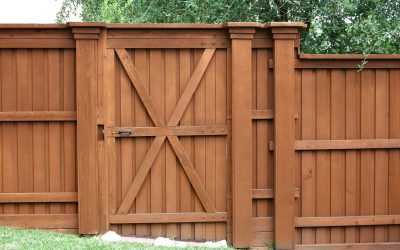
• Wood : Built with treated lumber or cedar, wood fencing offers a classic look but needs more consistent seasonal attention than synthetic materials.
These material categories align with what fencing providers in the Ames area, including Midwest Fence & Gate Company, list as their core residential offerings. Choosing between them typically comes down to how much time a homeowner wants to invest in upkeep versus the initial installation cost.
Comparing Maintenance Needs by Material
The table below outlines general maintenance expectations for each material type, based on common upkeep recommendations from fencing industry sources.
|
Material |
Typical Maintenance |
Vulnerable To |
Inspection Frequency |
|
Chain Link |
Occasional cleaning, hardware checks |
Rust at cut edges, leaning posts |
Twice yearly |
|
Vinyl |
Rinsing to remove dirt and buildup |
Cracking in extreme cold, UV brittleness |
Twice yearly |
|
Wood |
Sealing/staining, rot and pest checks |
Moisture rot, insect damage, splintering |
Every season |
Regardless of material, checking hardware, posts, and panels on a set schedule is the single most effective way to prevent minor wear from becoming a structural problem.
Seasonal Maintenance Practices for Iowa Weather
Freeze-thaw cycles, heavy spring rain, and summer humidity each put different stress on fencing materials, so a seasonal approach works better than a once-a-year check.
1. Early spring : Inspect for winter damage, including frost heave around posts and cracked panels caused by freeze-thaw movement. Soil conditions and post-depth requirements vary by region, and the USDA Forest Products Laboratory publishes guidance on wood durability and moisture resistance relevant to fence post selection.
2. Summer : Clear vegetation and debris that trap moisture against wood, and rinse vinyl and chain link to remove dust buildup before it discolors surfaces.
3. Fall : Tighten hinges, latches, and screws before winter wind loads stress gates and panels, and reseal wood fencing if it has not been treated in the past two to three years.
4. Winter : Watch for snow load on panels and ice buildup at post bases, which can accelerate frost heave when temperatures swing.
Following this kind of routine, rather than waiting for visible damage, keeps repair costs down and extends the useful life of whichever material you choose.
What to Expect From a Local Installation Process
A straightforward installation process reduces surprises and keeps a fencing project on schedule. Local providers typically begin with a property assessment covering boundary lines, soil conditions, and any local permitting requirements, then move into material selection based on the homeowner’s privacy, security, and budget priorities. From there, an experienced crew handles post setting, panel installation, and a final walkthrough to confirm the work meets the agreed specifications.
Midwest Fence & Gate Company has served Fort Dodge, Ames, and surrounding Iowa communities with residential fencing installation and materials including chain link, vinyl, and wood. Homeowners planning a new fence or replacing an aging one can review service details directly through the Midwest Fence & Gate Company business profile before scheduling a consultation.
Frequently Asked Questions
How often should I inspect my residential fence in Iowa? Most fencing industry guidance recommends walking the fence line at least twice a year, ideally in early spring and late fall, to catch loose hardware, leaning posts, or panel damage before it worsens.
Which fence material requires the least maintenance in this climate? Vinyl generally needs the least ongoing attention, requiring only occasional rinsing, while wood requires the most consistent care due to its vulnerability to moisture and pests.
Does frost heave affect fence posts in Iowa? Yes. Freeze-thaw cycles can shift soil around post footings, which is why proper post depth and concrete footing width matter during installation in this region.
Can I switch fence materials during a repair instead of full replacement? In many cases sections can be replaced with a different material, though matching height, style, and property lines usually requires a professional assessment first.
Selecting the right fence material and staying on top of seasonal upkeep are the two factors that most affect how long a residential fence lasts in central Iowa. Homeowners who pair a climate-appropriate material with a consistent inspection routine typically avoid the larger repair costs that come from deferred maintenance, whether they manage the work themselves or rely on a local installer for periodic checkups.