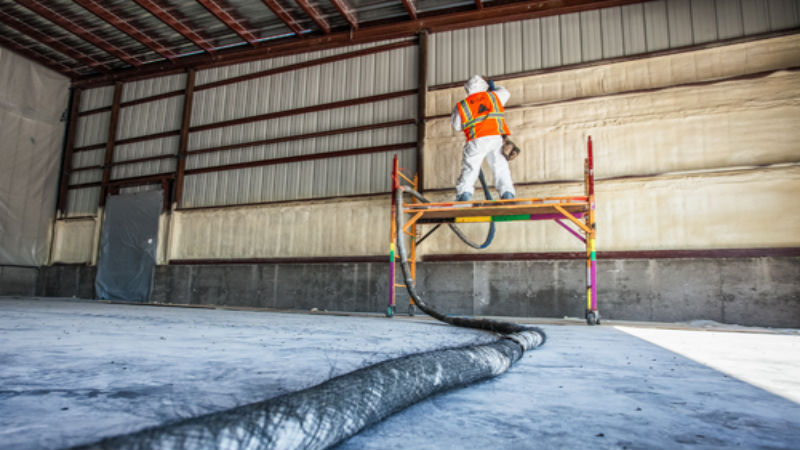
Homeowners searching for a Residential Concrete Company are usually trying to solve a specific problem: a cracked driveway, a yard that floods, or a patio project that needs both pouring and grading done correctly. A company offering this work generally combines flatwork installation with the excavation and site preparation that determines whether the finished concrete holds up over time. Understanding what falls under each category helps homeowners ask better questions before signing a contract.
Core Concrete Services for Homes
Residential concrete work centers on flatwork, the broad term for poured surfaces that sit on or near grade level. These projects share similar prep steps but differ in finish requirements and load expectations.
• Driveways: require compacted base material and proper slope for water runoff.
• Patios: often use decorative finishes like stamped or exposed-aggregate concrete.
• Walkways and sidewalks: typically poured at a shallower depth than driveways.
• Foundations and slabs: support structural loads and require engineered thickness.
Each of these starts with excavation, since concrete poured over unstable or poorly graded soil is a leading cause of early cracking and settling.
Excavation and Site Prep Work
Excavation is not a separate afterthought; it is the step that determines whether a concrete surface stays level. Site prep usually includes clearing vegetation, removing old material, grading for drainage, and compacting a gravel base before forms go in.
In Leander, TX, expansive clay soil is a known regional factor that can shift slabs if the base is not properly prepared. Soil behavior like this is well documented by the USDA Natural Resources Conservation Service, which studies how soil composition affects construction stability across Texas counties. Correct grading also redirects stormwater away from foundations, which matters during the region’s heavier seasonal rain events.
Common excavation-related tasks paired with concrete installs include:
1. Demolition and removal of old concrete or asphalt
2. Grading to correct pooling water or uneven yard slope
3. Trenching for drainage lines tied into new patios or driveways
4. Base compaction using gravel or crushed stone before pouring
Choosing Between Repair and Replacement
Not every damaged slab needs full replacement. Hairline cracks, minor surface spalling, or small settling issues can often be patched, while structural cracks, large height differences between slab sections, or repeated flooding usually call for removal and repour.
|
Condition |
Repair Likely Sufficient |
Replacement Usually Needed |
|
Hairline cracks under 1/8 inch |
Yes |
No |
|
Slab sinking more than 1 inch |
No |
Yes |
|
Surface scaling or pitting |
Yes |
No |
|
Water pooling against foundation |
No |
Yes |
A contractor who inspects the base material, not just the surface crack, gives a more reliable read on which option applies.
Service Area and Business Background
Based in the USA, Rusty Crain Concrete & Excavation serves customers across Leander, TX, combining flatwork installation with the excavation and grading work that supports it. This pairing matters in areas with variable soil conditions, since a contractor handling both scopes can coordinate base prep and pour timing without relying on a separate excavation subcontractor.
Frequently Asked Questions
Does a concrete company also handle drainage problems? Many do, since grading and drainage correction are part of the site prep work required before pouring driveways or patios.
How long does residential concrete need to cure before use? Concrete generally needs about seven days to reach enough strength for light foot traffic and closer to a month for full vehicle load, though exact timing depends on mix and weather.
What causes concrete driveways to crack in clay-soil areas? Expansive clay expands and contracts with moisture changes, and without proper base compaction, that movement transfers stress to the slab above it.
Is excavation always required before a new patio pour? Some grading and base work is almost always needed, even for smaller patios, to prevent uneven settling after installation.
Current service details for Rusty Crain Concrete & Excavation are published for homeowners reviewing concrete and excavation options in the area.