Summary first:
• Poor insulation is one of the leading causes of high energy bills, uneven temperatures, and drafts in Madison-area homes.
• Professional insulation services address problems in attics, walls, basements, and crawl spaces that standard weatherstripping cannot fix.
• Wisconsin’s climate makes proper insulation especially critical for year-round comfort and cost control.
Madison homeowners dealing with cold floors, stuffy rooms, or climbing utility bills often share a common root cause: inadequate insulation. Knowing which problems insulation can solve, and which areas of the home to target, is the first step toward a more comfortable and efficient house.
Wisconsin’s four seasons bring brutally cold winters and hot, humid summers, making it difficult to keep a home comfortable year-round. Without proper insulation and air sealing, heated or conditioned air leaks out, causing energy waste and higher costs. Scheduling insulation services in Madison, WI, is one of the most direct ways to address these issues at the source.
The Most Common Energy Problems in Madison Homes
The gaps, holes, and leaks in a typical home’s envelope add up to the equivalent of leaving a window open every day of the year. Most U.S. homes lack sufficient insulation, and roughly 9 out of 10 are under-insulated. In Madison, where temperatures swing dramatically between seasons, that shortfall has real financial consequences.
The most frequently reported energy problems include:
• Drafts and cold spots – Air seeps in through rim joists, attic hatches, and wall penetrations.
• Uneven room temperatures – Upper floors overheat in summer while lower floors stay cold in winter.
• High heating and cooling bills – The HVAC system runs longer to compensate for heat loss or gain.
• Ice dams – Warm air escaping through a poorly insulated attic melts snow, which refreezes at the eaves.
• Moisture and mold risk – Condensation forms where warm interior air meets cold uninsulated surfaces.
According to the EPA, homeowners can save an average of 15% on heating and cooling costs by air sealing their homes and adding insulation in attics, floors over crawl spaces, and basements.
Where Insulation Makes the Biggest Difference
Not every area of a home loses energy equally. Targeting the right locations produces the most noticeable results.
| Location | Common Problem | Insulation Solution |
| Attic | Heat escapes in winter; attic overheats in summer | Blown-in or spray foam insulation plus air sealing |
| Basement/rim joist | Cold floors, drafts on main level | Closed-cell spray foam for air and moisture barrier |
| Crawl space | Ground moisture, cold floors, pest entry | Spray foam or rigid board insulation |
| Exterior walls | Uneven room temperatures, noise | Blown-in cellulose or open-cell spray foam |
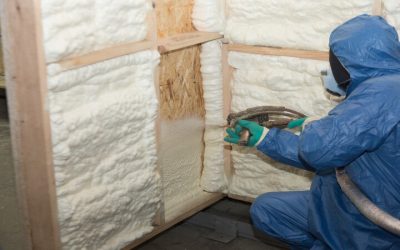
Spray foam insulation applied to attics, walls, basements, and crawl spaces creates airtight seals that enhance energy efficiency and comfort. By reducing heat loss in winter and minimizing heat gain in summer, insulation helps regulate temperatures and can significantly lower heating and cooling costs. Quality insulation also helps control moisture, reducing the risk of mold, mildew, and water damage.
According to ENERGY STAR’s seal and insulate guidance, combining air sealing with insulation upgrades is among the most cost-effective steps a homeowner can take to improve comfort and reduce annual energy bills.
Choosing the Right Insulation Type for Your Home
Madison homes vary widely in age, construction style, and existing insulation levels. The right product depends on the specific problem being solved.
• Open-cell spray foam – Expands to fill irregular cavities; good for interior walls and sound dampening.
• Closed-cell spray foam – Higher R-value per inch; ideal for basements, crawl spaces, and areas exposed to moisture.
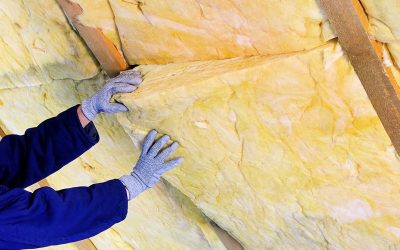
• Blown-in cellulose – Effective for attic floors and hard-to-reach wall cavities in older homes.
• Nu-Wool cellulose – A natural fiber option suited to retrofit projects in existing construction.
FoamTech Insulation of Wisconsin LLC offers insulation and removal services for new homes, businesses, and remodeling projects. The company is associated with organizations including the National Association of the Remodeling Industry (NARI), the Madison Area Builders Association, and the South Central Wisconsin Builders Association.
Frequently Asked Questions
How do I know if my home needs more insulation? Common signs include rooms that are difficult to heat or cool, visible frost on interior walls in winter, and utility bills that seem high relative to your home’s size. A professional assessment can confirm where insulation is lacking.
Does insulation help with moisture problems in Wisconsin basements? Proper basement insulation is critical for maintaining energy efficiency and protecting a home’s structural integrity. It reduces heat loss in winter, minimizes heat gain in summer, and helps control moisture, lowering the risk of mold and water damage.
What is R-value, and why does it matter? An insulating material’s ability to resist conductive heat flow is measured by its R-value. The higher the R-value, the greater the material’s insulating power. Wisconsin’s cold climate requires higher R-values than many other parts of the country, particularly in attics and rim joists.
Are there rebates available for insulation upgrades in Madison? FoamTech Insulation of Wisconsin LLC is associated with Focus on Energy, an organization that empowers Wisconsin residents and businesses to make smart energy decisions with enduring economic benefits. Wisconsin homeowners may qualify for rebates through Focus on Energy when completing qualifying insulation and air sealing projects.
If drafts, high bills, or uneven temperatures are affecting your home’s comfort, a targeted insulation upgrade is often the most practical fix. FoamTech Insulation of Wisconsin LLC serves residential and commercial properties throughout South-Central Wisconsin, offering spray foam, blown-in, and insulation removal services tailored to each project’s specific needs. Contact their team to discuss which areas of your home would benefit most from an insulation assessment.